
Present Passive Voice
Level Seven
Lesson 74
In this lesson, you will learn to use the passive voice in the present tense. Here are some examples of what that looks like:
- Hector is paid on Friday.
- The school is attended by over 300 students.
- Patients are seen by a doctor.
- Are the workers provided with a break during the day?
- Vocabulary isn’t retained if it isn’t practiced.
Notice that all of these sentences are in the present tense, but they are also passive.
When the past participle is the main verb, some students believe that the sentence is in the past tense, but the main verb does not indicate the verb tense. The helping verb (“be”) indicates the verb tense. Once you understand this, verbs in the passive voice become much easier to understand.
Take Quiz #74 – present passive voice when the lesson is finished.

U.S. currency is printed on special paper.
Money is used to pay for things.
People are commemorated by putting their images on money.
74a. present passive
am, are, or is + past participle
In the passive voice, the verb “be” determines the tense. The main verb is always in the form of a past participle.
present passive voice
- I am paid every two weeks.
- The animals are fed regularly.
- An announcement is made every morning.
All of the sentences above are in the present tense. Let’s see what these same sentences look like in the present active voice
present active voice
- My company pays me every two weeks.
- The farmer feeds the animals regularly.
- The principal makes an announcement every morning.
In the active voice, the subject (company, farmer, principal) does the action. In the passive voice, the subject (I, animals, announcement) does not do the action.
74a. present passive
The main verb in the sentences below is in the form of a past participle. The verb “be” indicates the verb tense. The subject in each sentence does not do anything.

Sunflowers are grown for their seeds and their beauty.
Who grows the sunflowers? We don’t know. The person who does the work is not identified.

Packages are delivered to the front door of the house.
Who delivers the packages? We can see someone in the image, but in the sentence, the person who does the work is not identified.
The subject in each sentence does not perform any sort of action. The action is performed by a person, but as you can see in these sentences, the person is not mentioned. This is actually one of the benefits to using the passive voice.
74b. present passive -- negative
am, are, or is + not + past participle
singular
I am not expected.
You are not expected.
He is not expected.
She is not expected.
It is not expected.
plural
We are not expected.
You are not expected.
They are not expected.
Add “not” to the helping verb (am, are, or is) to make the negative.
present passive voice
- They are not expected to arrive until 8 p.m.
- Her name isn’t found on the list.
- I’m not paid enough at the company that I work for.
Let’s see what these sentences look like in the present active voice.
present active voice
- We don’t expect them to arrive until 8 p.m.
- They don’t find her name on the list.
- The company that I work for does not paid me enough.
74b. present passive -- negative

These house plants are not expected to grow very fast inside the house.
74c. present passive -- questions
am, are, or is + (subject) + past participle
singular
Am I expected?
Are you expected?
Is he expected?
Is she expected?
Is it expected?
plural
Are we expected?
Are you expected?
Are they expected?
The verb “be” goes before the subject.
present passive voice
- Are they expected to arrive early?
- Is the name found on the list?
- Are you paid well by the company?
Let’s see what these sentences look like in the present active voice.
present active voice
- Do we expect them to arrive early? (This sounds a little strange.)
- Do they find the name of the list?
- Does the company pay you well?
74c. present passive -- questions
Are these plants expected to survive inside the house?
74d. present passive practice
am, are, or is + past participle
There are two main considerations for any verb in the passive voice:
- What is the tense for the verb “be”?
- What is the past participle for the main verb?
In the following sentences, the verb “be” is in the present tense, matching the subject, and the main verb is in the form of a past participle.
- The instructions are written in English.
- The car is fixed by a mechanic.
- The children are taught how to spell by a teacher.
Answer these questions:
- What is the helping verb in each sentence?
- What is the main verb in each sentence?
Write the answers to these questions in your notebook. You can check your answers in the next section. ➡️
74d. present passive practice
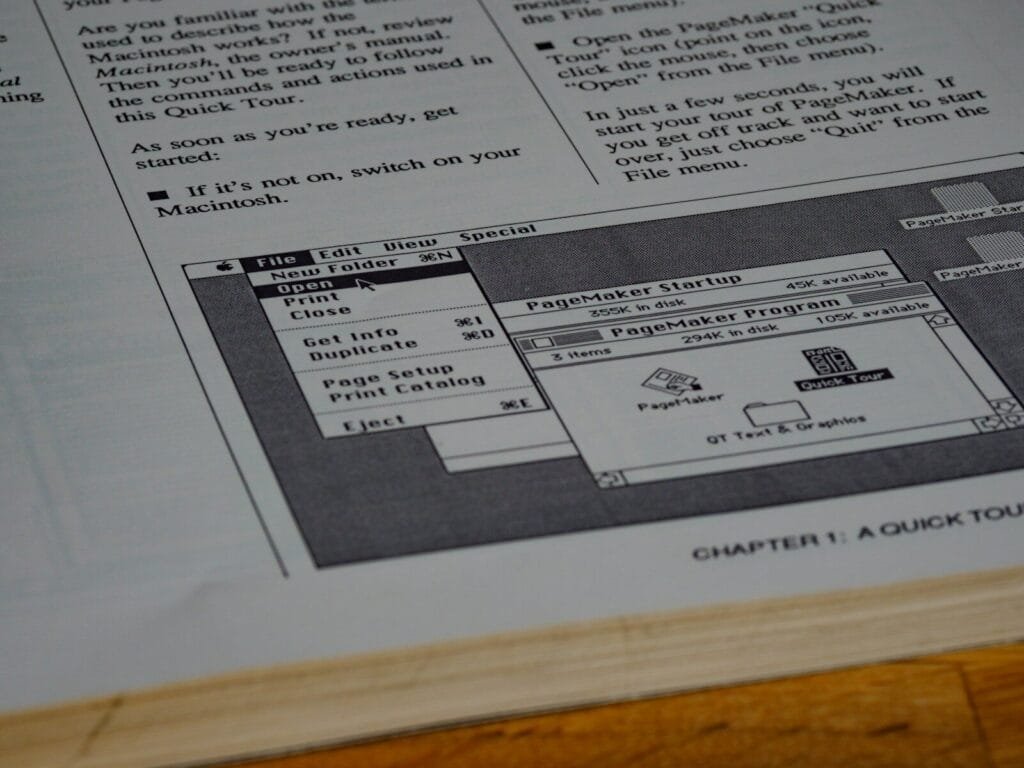
The instructions are written in English.
helping verb: are (present tense)
main verb: written
write / wrote / written

The car is fixed by a mechanic.
helping verb: is (present tense)
main verb: fixed
fixed / fixed / fixed

The children are taught how to spell by a teacher.
helping verb: are (present tense)
main verb: taught
teach / taught / taught