
with
The word “with” is a preposition that is used when people or things go together. There is a combination of two or more things.
- I like to eat cereal with milk. (Cereal and milk go together)
- Mark went with his sister to the store. (They went to the store together.)
- The color blue goes well with yellow. (These two colors look good together.)
with
a. with = together
When a person does something with another person, the word “with” can be very useful. Here are some examples:
- Mary lives with her family.
- Frank works with many different kinds of people.
- The people with whom Elena is traveling are very interesting.
- A teacher works with children.
- Friends like to spend time with each other.
- Athletes compete with other athletes in a competition.
Use “with” for two things that go together.
- Orange goes well with yellow and white to express happiness.
- That big piece goes with this smaller piece. They fit together.
- The land goes with the house. They aren’t separate.
a. with = together

- They all like to hang out with each other.

- She likes to spend time with her horse.
b. with = use a tool, a utensil, or a machine
To identify the thing that you use to do something, the word “with” is very common.
- You eat food with a fork or a spoon.
- Some people eat with chopsticks.
- Some people eat with their hands.
- A technician fixes machines with a screwdriver.
- An artist works with a paintbrush.
- Many people nowadays work with computers.
- Doctors and nurses work with all kinds of machines, computers, and tools for helping their patients.
- The police officer killed the suspect with his gun.
- The gardener dug a hole in the soil with a shovel.
- With proper instructions, you can do just about anything.
b. with = use a tool, a utensil, or a machine

- Nails are hit with a hammer.
- There are many things that you can build with a hammer.

- Surgeons open up their patients with a scalpel, which is like a knife.
- The health of a patient is monitored with machines.
c. with = additional food
As a preposition, “with” is very useful when talking about food that is added to other food or when talking about combinations of food.
- I like to eat french fries with ketchup.
- Hank ordered a pizza with green peppers and onions .
- Sandy drinks soft drinks with a lot of ice cubes in her glass.
- You can season your food with salt, pepper, and herbs.
- Milk goes well with cookies.
- Soda pop does not go well with cake.
- We eat tortillas with different types of salsa.
c. with = additional food

- The flavor of food is easily improved with a little salt.
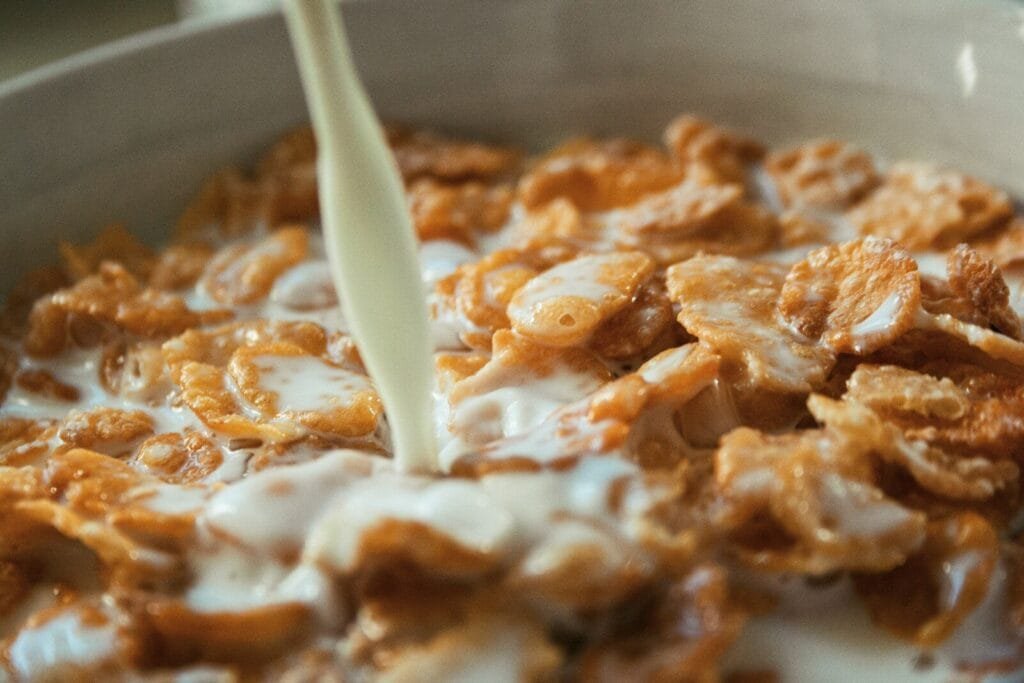
- Many people like to eat cereal with milk.
d. with + noun
If you use a noun after “with,” you can express a particular qualities and feelings. Not all nouns go well with “with,” so this becomes a matter of experimentation and listening to how English speakers actually use “with.”
- He said those mean words with a lot of anger. (with + anger)
- They looked upon the scene of devastation with horror.
- She expresses herself in English with great skill.
- You can say something important with few words.
- The workers aren’t happy with their supervisor.
- We aren’t satisfied with the results.
- A life with health and happiness should be celebrated.
- When my mother cooks something for our family, she does it with love.
d. with + noun

- The game ended with a lot of excitement.

- I look back at the Obama years with great fondness.
First published on April 10, 2026