
if
The word “if” has a strong effect on a sentence. Use “if” to consider things that might or might not happen. This is also an essential word for making conditional sentences.
- Roger doesn’t know if he can go.
- Do you know what would happen if I mix these two things together?
- It’ll be too dangerous if we travel in the dark.
- Beatrice doesn’t know if she will stay or go.
- If the house costs too much, we won’t be able to afford it.
if
a. if = a possible situation
Some situations are dependent on a variety of possibilities. That’s when you need to use “if.”
- If it rains today, we will need to bring an umbrella.
- I’m not sure if this old phone still works.
- If we leave early, we might be able to get good seats at the game.
- Don’t buy any lettuce at the store if it looks old and wilted.
- Raya doesn’t know if she has to work next week.
- If I had known the beans were bad, I wouldn’t have planted them. (This is a past conditional sentence. You’ll learn about conditional sentences in Section B.)
- Do you know if the weather will be nice next week?
a. if = a possible situation

- Raya doesn’t know if she has to work next week.
- If she doesn’t get enough hours at work, she will have to to look for a different job.
- If you know of a good company that is hiring new employees, you should tell Raya about it.
Note: The word “if” can go at the beginning or in the middle of a sentence.
b. using "if" in conditional sentences
There are four main types of conditional sentences for present, past, and future situations. Notice how the verb changes in each situation. I will cover conditional sentences in a future lesson.
- future situations: future conditional / first conditional
- You’ll be hungry later if you don’t eat breakfast now.
2. present situations: present conditional / second conditional
- You would be hungry if you didn’t eat breakfast.
3. past situations: past conditional / third conditional
- You would have been hungry if you hadn’t eaten breakfast earlier.
4. universal truth: present conditional / zero conditional
- You become hungry if you don’t eat breakfast.
- If you mix red and blue, you get purple.
- If you believe something is wrong, tell me.
b. using "if" in conditional sentences
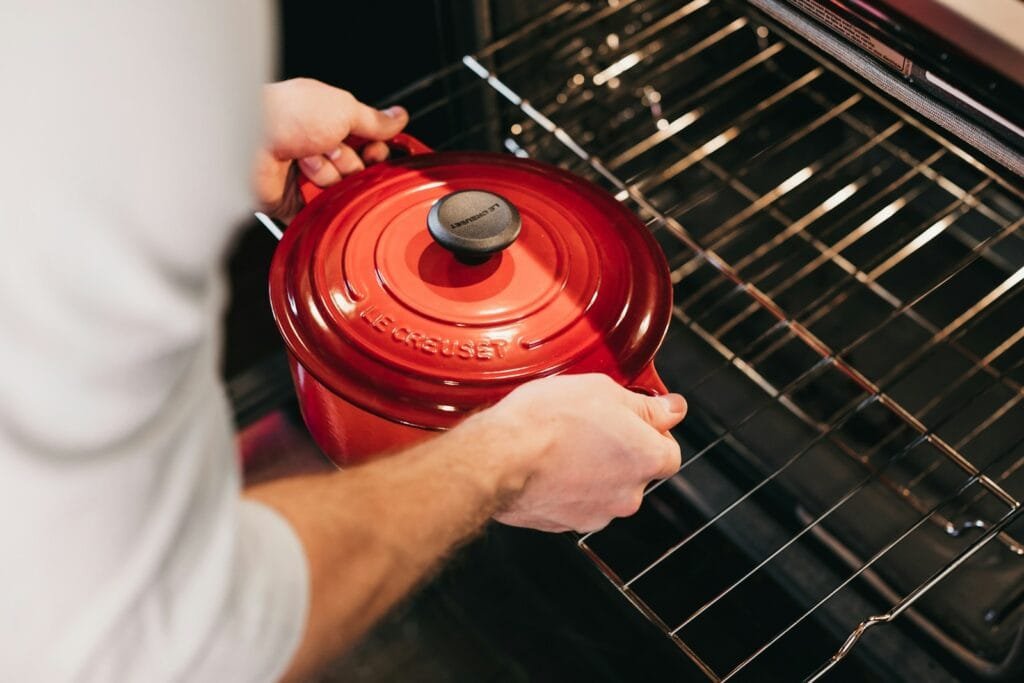
- If you leave something in the oven for too long, it will burn.
- If you leave something in the oven for too long, it burns. (These sentences are considering a possible situation in the future or at any time.)

- If she didn’t have an umbrella she would get wet.
- If she hadn’t brought an umbrella, she would have gotten wet.
(These are present and past conditional sentences.)
c. even if / only if
The phrase “even if” is used when a condition is not important or doesn’t matter for the result.
- We’re going to the beach tomorrow even if it rains.
- Even if it costs a lot of money, we still need to find a place to live.
- Roger is determined to be successful even if it means he’ll have to sacrifice a lot of time spent with his family.
Use “only if” when a condition is essential or absolutely important.
- I’ll go watch the band perform only if there’s no cover charge. (It has to be free.)
- Only if you arrive early will you be able to find a good seat in the classroom. (The class is very popular and there are a lot of people expected to show up.)
- Our supervisor will let us leave work early tonight only if we get all of our work finished.
c. even if / only if
First published on December 6, 2025.