
fluent
When a person is fluent in something, he or she can do it very easily and without hesitation. This word is often used when talking about a language. Fluency is the goal of many people who are studying English or any other other language. They would to speak the language fluently.
- Abdi is fluent in Arabic.
- Christine is fluent in Mandarin. (a language spoken in China)
- Juan would like to speak Spanish fluently because his parents are from Mexico.
- Am I too old to become fluent in German?
- How long does it take someone to achieve fluency in a language? (The word “fluency” is a noun.)
- How long does it take before you can speak a language fluently? (The word “fluently” is adverb.)
- You need more than a few years of studying Spanish in school to become fluent.
- It’s the dream of many francophiles to be able to speak French fluently. (francophile = a lover of french language and culture)
Other words similar to fluent are fluid, influence, and affluence.

Fluency in something can be compared to the easy flow of water.
a. How does someone become fluent in English?
In a live streaming event on YouTube in 2025, I talked about some of the things that a person has to do in order to become fluent in English. It’s a dream that many of my students have. Here are some of the key points taken from that video.
- True fluency in English or any other language comes from speaking the language.
- To become fluent, you have to immerse yourself in the culture. Read the history of the people associated with that language, and learn as much as you can about what the people do every day. What do they eat? What kinds of jobs do they have? Where do they live?
- Fluency requires that you train your ears to hear the language in whatever form it is spoken, and train your eyes to read it well enough so that you can understand contextual meanings.
You can watch the entire video here: Achieving Fluency in English
b. Other Ways to Think about Fluency
Here are some examples of ways to use fluent, fluently, and fluency other than those pertaining to the speaking of a language.
- Lydia is able to play a piano solo fluently.
- Guitarists practice playing every day so that they can achieve some level of fluency between one hand on the fretboard and the other hand strumming or plucking the strings.
- When I play golf, I want the swing of the golf club to be fluent.
- Walter demonstrates amazing fluency in social situations. He can go from one group to another without ever feeling out of place.
- Choreographers want dancers to be fluent in the way that they move.
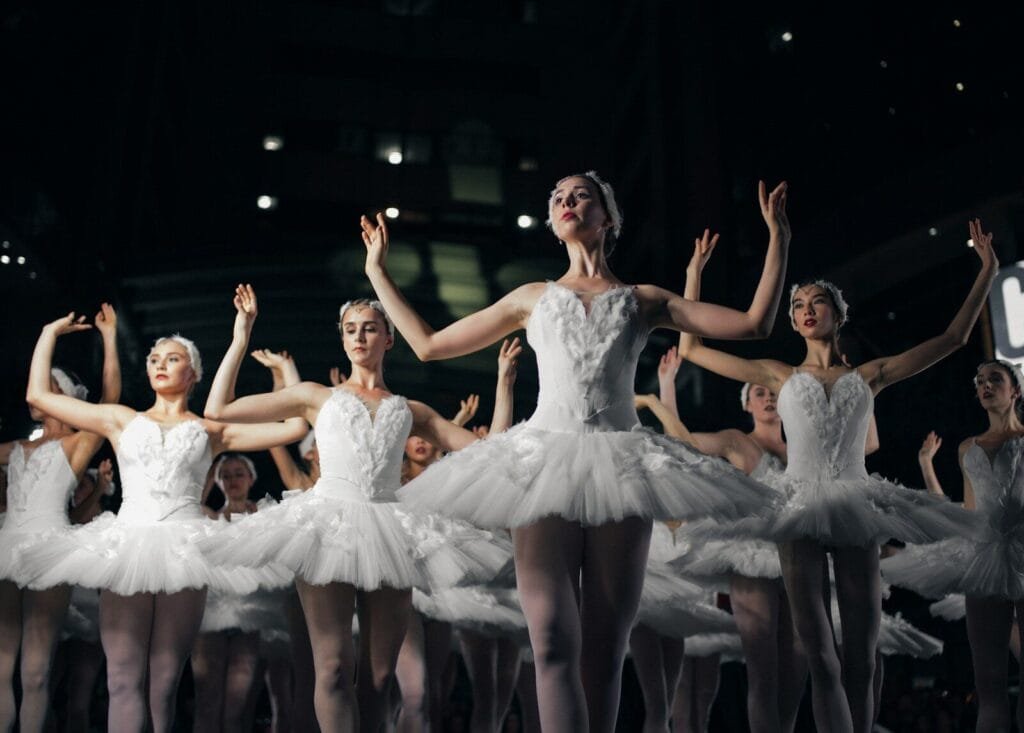
- A ballerina’s movement is graceful and fluent.

- Professional guitarists dazzle us with their fluency on the guitar.