
fair
The word fair is a common English adjective with several meanings. In general, “fair“ describes something that is just, reasonable, or equal. It can also describe an average level of quality, a good amount of something, or a large public event.
Learning the different meanings of fair will help you understand everyday English conversations, news, and business language.
- That’s not fair. (That’s not right or just)
- We paid a fair price for our house. (fair = a good price for the conditions)
- Minnesota got a fair amount of rain yesterday. (fair amount = a good or large amount)
- Every year I go to the state fair. (fair = an outdoor event attended by a lot of people)

They came up with a fair agreement.
a. fair = just or equal
Most often, “fair” means just, honest, or treating people equally. A fair situation is one in which people believe the outcome is reasonable.
The two countries agreed on a fair settlement to the land dispute.
Most people believed the agreement was fair.
Lawyers review contracts to make sure they are fair under the law.
Laws should be fair and treat everyone equally.
The company offers fair pay to its employees.
Many people protested because they believed the law was unfair. (unfair = not fair)
a. fair = just or equal
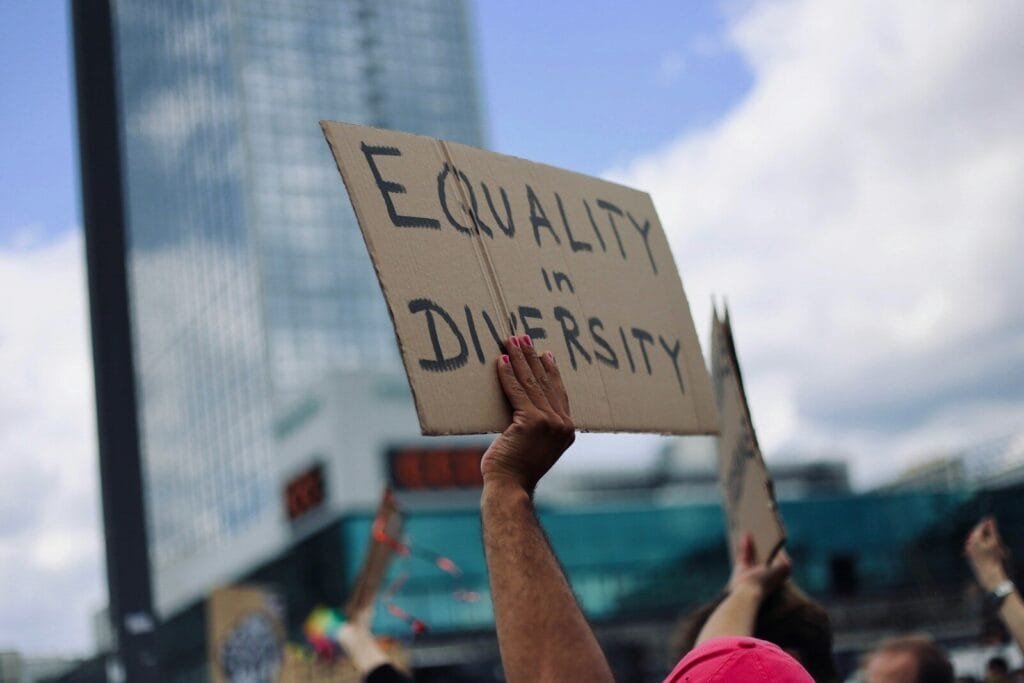
- When people believe that a situation is not fair, they may protest against it.
b. fair = a large amount
A “fair amount” is a good amount or a large amount. This is popular in conversation.
We received a fair amount of rain last night.
A fair number of people attended the meeting.
The video received a fair amount of attention online.
- She made a fair amount of money last year.
- The police passed out a fair number of parking tickets to people who were parked on the grass.
The word “fair” in this case often comes before the words “amount” or “number.”
b. fair = a large amount
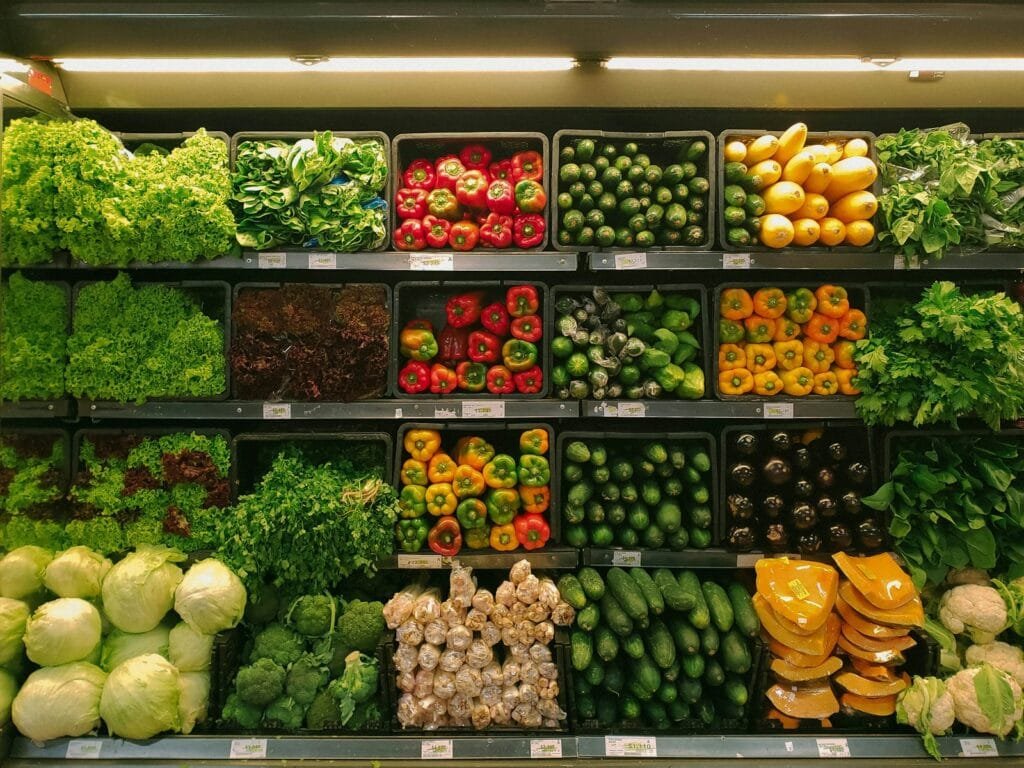
- Our grocery store sells a fair amount of locally grown vegetables.
c. fair = average
You can use “fair” as an adjective to mean that something is average or just okay.
The quality of his work is fair, but it could improve.
Attendance at the event was fair.
She did a fair job, but it was not great.
Business was fair last week.
A “C” on a report card represents a student’s work is fair or average.
c. fair = average

- Conditions on the bike trails today are fair.
d. fair = a fun, public exhibition
When the word “fair” is a noun, it refers to a public event for competition, amusement, or information.
Ron attended a jobs fair held at his college.
- Do you want to go to the county fair to see the farm animals?
- We always go to the Minnesota State Fair because there are so many things to see and do, and there’s a lot of good food.
d. fair = a fun, public exhibition

- Everyone loves going to the fair.
Published on March 6, 2026.