
even
At the root of the word “even” is the idea that things can be made equal; however, the word “even” is one of those functional words that doesn’t seem to have one clear meaning. Instead, it has many slightly different meanings as an adverb, and it has additional meanings when it’s an adjective or a verb.
- The weight on each side of the boat is even. (adjective)
- The soccer team evened the score with another goal. (verb)
- A cell phone is so versatile, you can even use it as a flashlight. (adverb)
even
a. even = symmetrical / equal amounts
Even numbers can be divided by two and the result is two equal, even amounts. The numbers that end in 2, 4, 6, 8, and 0 are even numbers. This is in contrast to numbers that are odd: 1, 3, 5, 7, and 9. When you divide an odd number, the result is not an even number. Instead, you get a fractional amount. The video above explains this in the first minute.
- If you divide 12 by two, you get six–two sets of six.
- The number 20 divided by two results in ten. Two sets of ten equal 20.
- I have five apples and you have five apples. We’re even. Together, we have ten apples. (If you divide ten by two, you get five, which is an odd number, but the two groups are even–or the same–in number.)
- Each person received an even amount of food to feed their families.
- The soccer game is even at 3-3.
- I did a favor for you and you returned the favor. That makes us even.
- Jeremy is determined to get even with the guy who cut him off in traffic. (get even = get revenge)
a. even = symmetrical / equal amounts
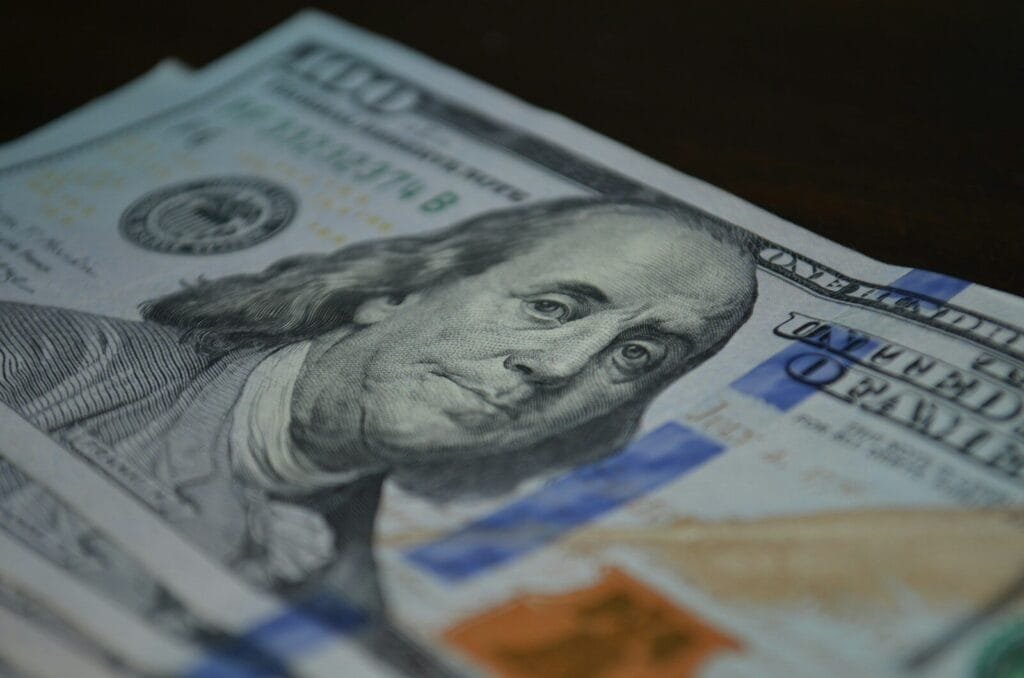
- If you divide $100 into two equal amounts, the result is an even $50.

- There are eight trees on each side. The number of trees is even.
b. even = at the same level
Another way to use “even” is when talking about heights and levels.
- If one leg of a table is shorter than another, the table will not look even.
- The table is uneven. (It’s not level.)
- The speaker’s voice was calm and even throughout the speech.
- The road we’re driving on is smooth and even.
- The pictures hanging on the wall don’t look like they’re even. One looks higher than the other.
- Some people naturally like to feel they are even to others or a little more than even when it comes to economic circumstances.
b. even = at the same level

- There is one window on either side of the light. The windows are even.
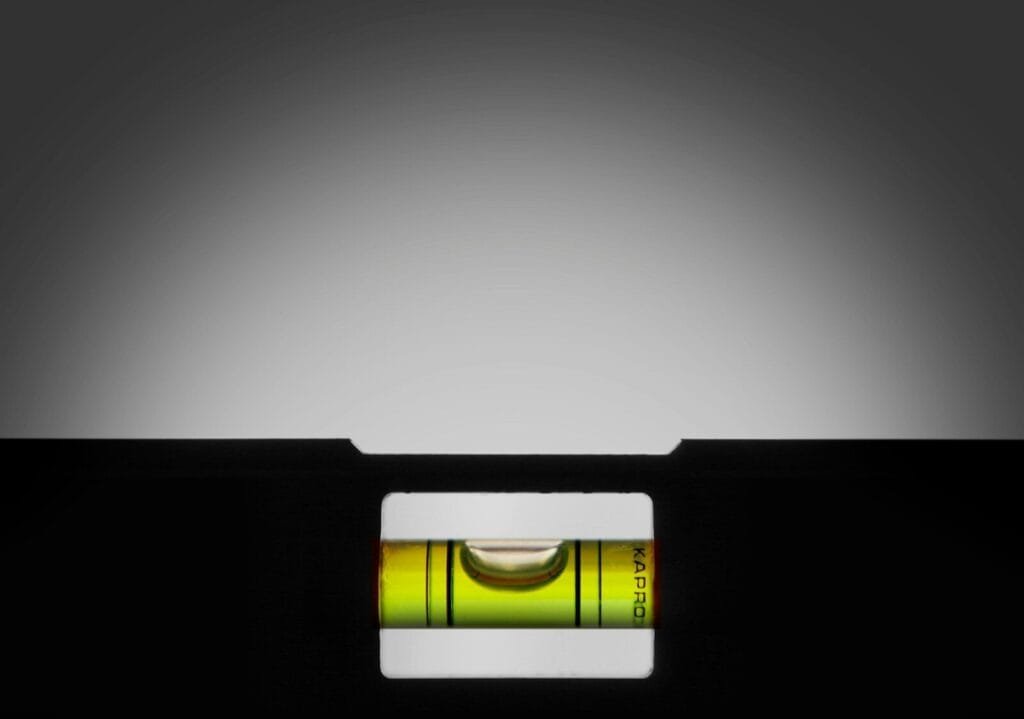
- A level is used to make sure that two sides are even. If one side is higher than another, the two side are not even.
c. even = more or less than expected
Perhaps the most common use for “even” is as an adverb when something is more than expected, or less than expected, or a surprise.
- The woman is so generous to people she doesn’t know that she even gives them a place to stay inside her home if they don’t have a place to stay. (This is more than expected.)
- The owner of the restaurant is so mean to his employees, he even makes them work during holidays. (This is less than expected.)
- The children cleaned the house for their mother, and she didn’t even ask them to do it. (This is a surprise.)
- She likes her job so much, she’s even willing to do it without pay. (She’s dedicated, she really should be paid for the work that she does.)
b. even = more or less than expected

- She plays guitar, and even sings songs she has written herself

- Some people eat so much sugar, they even use it on food that already has sugar in it.
First published on March 3, 2026