
cut
To make something shorter or reduce its size, you cut it. You can also cut yourself with something sharp or cut through a place in order to reduce time.
- Use scissors to cut paper.
- A man might cut himself while shaving.
- Our teacher cut the class short because he had to go to a meeting.
- Maria took a shortcut through the city on her scooter.
- Who’s going to cut the cake?
a. cut = to make smaller pieces
People use a knife, a pair of scissors, a saw, or something that is sharp to make smaller pieces of something or cause damage to a thing.
- Maria cut the chicken into smaller pieces when she made soup.
- Joseph cuts firewood with an axe.
- He also cuts wood with a chainsaw.
- I cut myself while I was shaving.
- Have you ever cut yourself?
- It’s easy to cut oneself when using something sharp. Be careful!
- Maria cut up some small pieces of paper for an art project.
- Charles always cuts up his meat in very small pieces before he eats it because he’s afraid of choking.
a. cut = to make smaller pieces
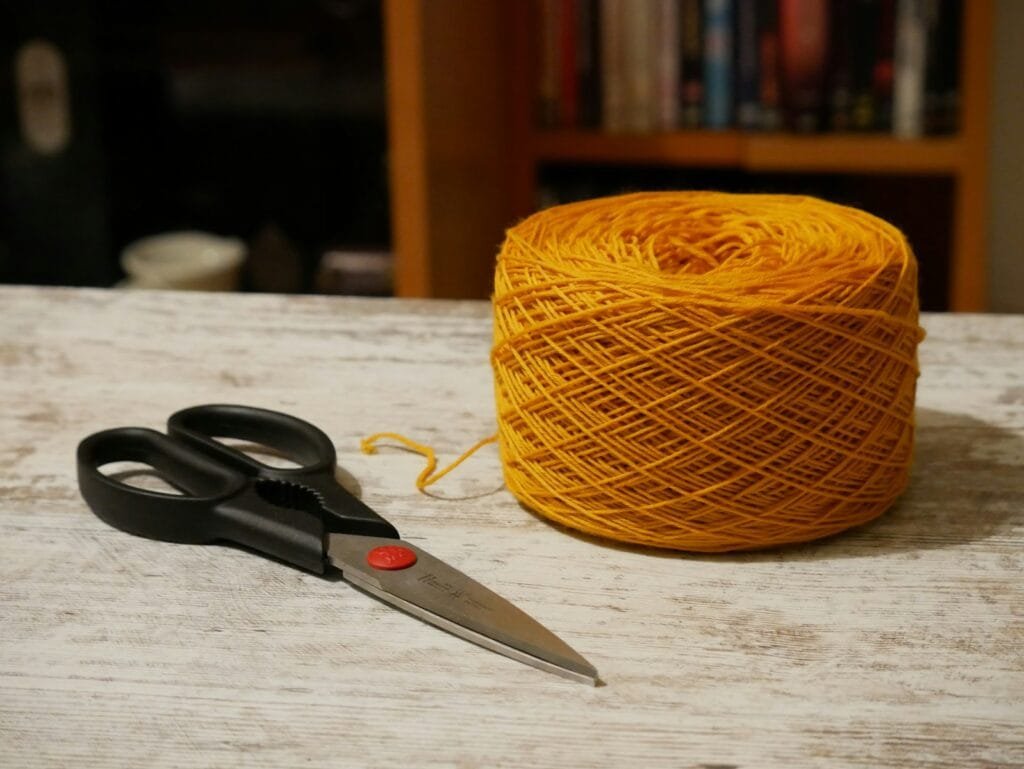
- Your can use a pair of scissors to cut string.
- Cutting string is easily done with a pair of scissors. (This sentence use “cut” as a gerund, “cutting.”)
- The scissors are sharp.
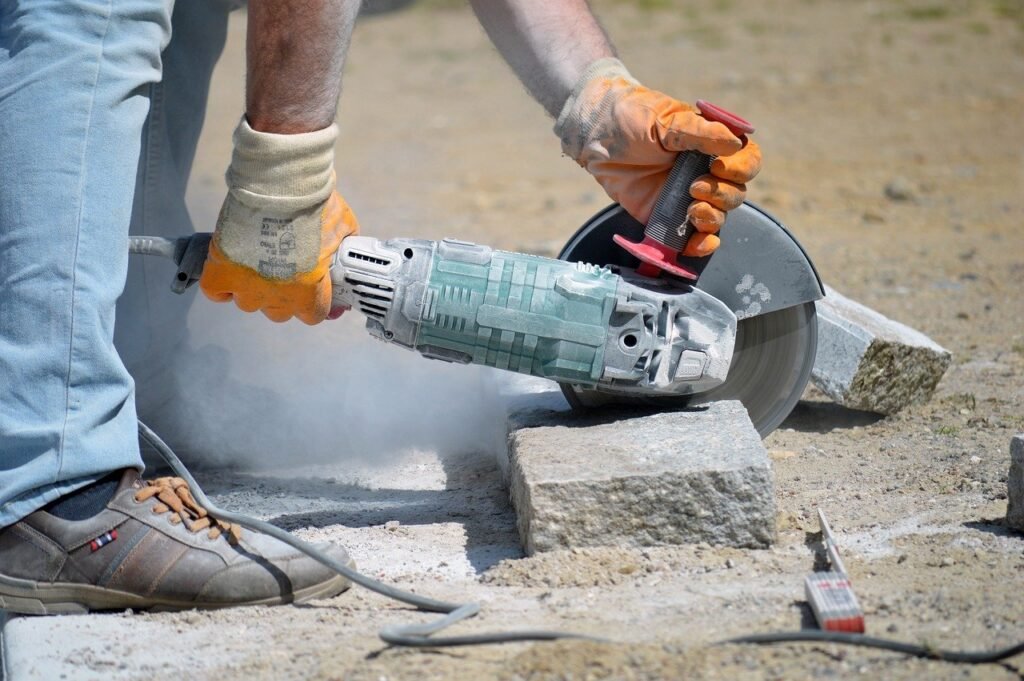
- He’s cutting the stone with a circular saw. (This sentence is in the present continuous tense: is cutting.)
b. cut = reduce
The word “cut” can be used as a verb or as a noun when talking about reductions of things such as spending,
- The government is trying to cut spending in order to balance its budget.
- The government is going to make some big cuts.
- Cuts to the budget will affect people who depend on financial assistance.
- The team cut some of the players from its roster because they had too many people.
- The time it takes to travel to the next city was cut in half with a new high-speed train.
- We cut our travel time in half by taking the train instead of driving.
b. cut = reduce

- He got a haircut.
- The barber cut the young man’s hair.
- That’s quite a short haircut!

- Barack Obama did not support cuts to programs that help the poor and other people in need.
c. other uses for "cut"
The word “cut” is commonly used for everyday expressions and phrases.
- That guy is trying to cut in line. (He’s improperly moving past others who are waiting in a line.)
- We cut through the neighborhood by taking a short cut. (cut through = go through quickly)
- We took a shortcut. (shortcut = a fast route but one that is possibly problematic.)
- The company took too many shortcuts in producing its widgets and manufactured some very faulty products.
- Terry can’t cut it in the corporate world. (She can’t meet whatever demands come from working in a big office environment.)
- Who cut the cheese? (Who expelled gas? / Who farted?)
- Hey! Cut that out! (Stop doing that!)
- Hector cut class today. He’s been cutting a lot of his classes lately. (cut + class = A person decides not to attend a class.)
- The profit from our business came to $120,000 last year. My cut amounted to $36,000. (my cut = my share of the money)
c. other uses for "cut"

- We took a nice little shortcut through a field and some woods to get to the house.

- He’s thinking about cutting this class tomorrow.